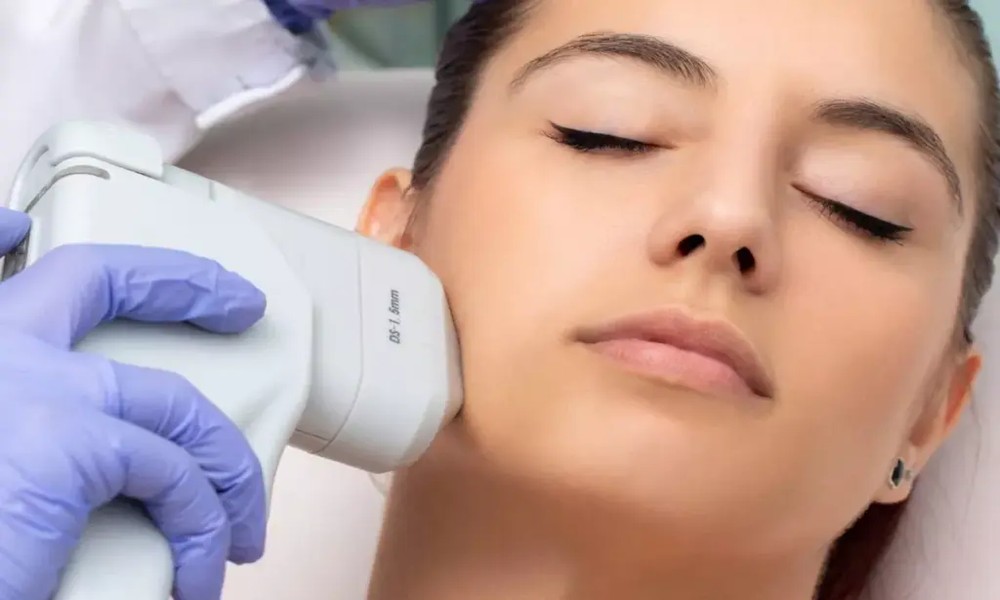
The quest for firmer, youthful skin has made lasers the go-to solution for dermatologists and patients alike. There is a reason why experts continually put their trust in these devices: laser technology delivers visible tightening results in record time, while evolving to be safer and smarter with every generation.
Early Developments in Laser Technology for Skin Treatment
The journey began in the 1960s, when dermatologists first explored how controlled bursts of light energy could target imperfections below the skin’s surface. Early lasers were bulky, imprecise, and could only be used on select skin types. Despite these hurdles, pioneers in the field quickly realized lasers could trigger collagen production, leading to firmer skin and reduced wrinkles.
It did not take long for researchers to experiment beyond simple resurfacing. By the 1990s, lasers were being used to treat a wide variety of concerns, from sun damage and scarring to skin laxity. The foundation was set for decades of rapid innovation.
Breakthroughs in Laser Technology: From Ablative to Non-Ablative
Ablative lasers, which vaporize the skin’s outer layers, offered impressive results but at the cost of significant downtime. Patients often faced redness, swelling, and a lengthy recovery period. As demand grew for procedures with less discomfort and downtime, the shift to non-ablative lasers was inevitable.
Instead of removing surface skin, non-ablative lasers heat the deeper layers, stimulating collagen while leaving the top layer intact. This meant fewer side effects, shorter recovery, and the ability to treat a wider range of skin tones. The introduction of fractional and pulsed lasers further refined results by targeting microscopic zones beneath the skin, allowing for faster healing and more natural outcomes.
Integration of Advanced Modalities: Combining Lasers with Regenerative Medicine
The evolution did not stop at new wavelengths or delivery modes. Today, laser skin tightening is often combined with regenerative therapies, pushing results even further. The incorporation of stem cells and exosomes (tiny vesicles that promote cell communication and repair) after laser treatments accelerates tissue regeneration.
Platelet-rich plasma (PRP) and mesotherapy, injecting skin with vitamins and growth factors, are also used alongside lasers to improve texture, firmness, and recovery. Meanwhile, radiofrequency (RF) and microneedling devices work synergistically with lasers, giving practitioners the ability to tailor treatments for each patient’s unique needs.
Modern Laser Devices Revolutionizing Skin Firming
Today’s clinics no longer rely on one-size-fits-all solutions. Advanced devices like Fotona 3D/4D use multi-step laser layering to treat the face from multiple angles, while LaseMD Ultra offers non-ablative resurfacing suitable for all skin tones, even tanned skin. The AviClear system is FDA-cleared for acne, with added benefits for overall skin quality.
On the radiofrequency front, devices like Xerf and Venus Legacy use multipolar and monopolar RF currents to trigger deep collagen remodeling. Plasma technologies and fractional resurfacing lasers provide additional options for stubborn laxity or delicate areas, targeting only fractions of the skin for maximum safety and efficacy.
Clinical Evidence and Expert Endorsements
A growing body of research validates the efficacy of laser treatments for skin tightening. Multiple studies have shown measurable improvements in skin elasticity, with some reporting up to a 40% increase in collagen density after a series of sessions. Importantly, newer non-ablative and fractional devices are considered safe for virtually all skin types, minimizing the risk of pigmentation changes or scarring.
Leading clinics continue to refine protocols for the best outcomes. Experts often point to resources like Clinique Anti Aging laser skin tightening, which blends advanced technology with individualized care, as examples of why laser treatments remain at the forefront of non-surgical skin rejuvenation.
Patient Experience and Results Over Time
Modern laser protocols are designed for convenience and comfort. Most skin tightening sessions last 30 to 60 minutes, and a typical treatment plan includes three to six visits spaced weeks apart. Some patients notice immediate tightening, but the most dramatic effects appear gradually as collagen production ramps up over several months.
Temporary redness or mild swelling may occur, but these side effects usually resolve within a day or two. Combined approaches that include PRP or exosomes can speed healing and boost results, ensuring patients not only look better, but recover faster as well.
Future Directions: Emerging Technologies and Trends
Personalization is the future of skin firming. Clinics now offer “haute couture” treatment plans, blending lasers, regenerative therapies, and precision diagnostics. Artificial intelligence may soon help practitioners predict individual responses and fine-tune settings for optimal results.
New devices are also emerging that combine multiple modalities into a single platform, maximizing outcomes in fewer sessions. As researchers continue to explore the benefits of integrating laser energy with exosomes, stem cells, and advanced monitoring, the potential for even faster, safer, and more dramatic skin tightening results continues to grow.
Conclusion: Why Experts Continue to Trust Laser Technology
From humble beginnings to high-tech, personalized care, laser technology has never stopped evolving. Its ability to trigger natural rejuvenation, paired with ever-improving safety profiles, ensures its place as a cornerstone of modern skin firming. For those seeking quick, noticeable results with minimal fuss, experts agree: lasers remain the gold standard, today and for the future.