Fat Transfer for Ozempic Face: A Natural Facial Rejuvenation Option


Restoring Volume After Weight Loss with Your Body’s Own Tissue.
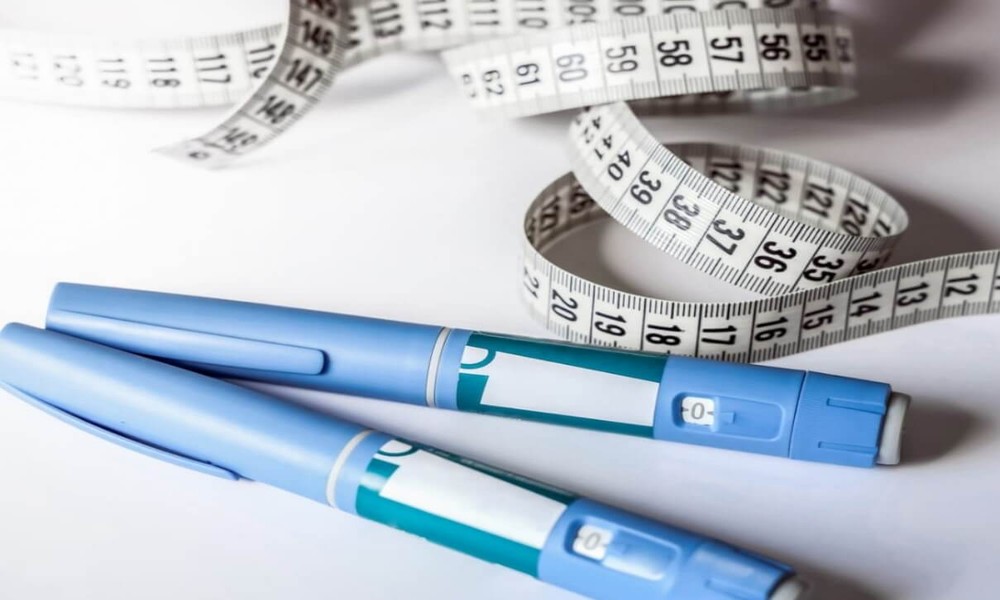
Significant weight loss with GLP-1 medications like Ozempic has helped countless patients improve their health and confidence. However, alongside these benefits, many individuals begin to notice unexpected changes in their facial appearance. What is often called “Ozempic face” is primarily the result of facial volume loss, leading to a more hollow, aged, or exhausted look.
At The One Plastic Surgery in Newport Beach, board-certified plastic surgeon Dr. Siamak Agha specializes in advanced facial rejuvenation techniques designed to restore balance after weight loss. One of the most effective and natural solutions for addressing volume loss is fat transfer, a procedure that uses your body’s fat to rebuild youthful contours.
For patients seeking long-lasting, natural-looking results, fat transfer has become one of the most preferred approaches.
What Is Fat Transfer for Facial Rejuvenation?
Fat transfer, also known as fat grafting, involves removing fat from one area of the body and carefully injecting it into areas of the face that have lost volume.
The process typically includes:
- Harvesting fat from areas such as the abdomen, flanks, or thighs
- Purifying the fat to isolate healthy cells
- Precisely injecting the fat into targeted facial areas
Because the procedure uses your tissue, it integrates naturally with the face, creating soft, realistic results that are difficult to replicate with synthetic fillers.
“The goal of fat transfer is not to change your face but to restore what has been lost in the most natural way possible.“
Why Fat Transfer Is Ideal for Ozempic Face
Unlike traditional aging, where volume loss happens gradually, Ozempic-related changes can occur more quickly. This often leads to a noticeable difference between how a patient feels and how they appear.
Fat transfer is particularly well-suited for these cases because it addresses the root issue, which is loss of volume.
Benefits include:
- Restoring fullness in the cheeks and midface
- Softening under-eye hollows
- Improving facial balance and proportions
- Providing long-lasting results compared to temporary fillers
Additionally, because fat contains regenerative cells, it can improve skin quality over time, not just volume.
Areas Commonly Treated with Fat Transfer
Fat transfer can be used to enhance multiple areas of the face affected by weight loss.
Common treatment areas include:
- Cheeks for restoring midface volume
- Under-eye region to reduce hollowing
- Temples to soften a gaunt appearance
- Jawline for smoother transitions
- Nasolabial folds for a more youthful contour
The approach is highly customized. At The One Plastic Surgery, each treatment plan is designed to match the patient’s facial structure and aesthetic goals.
Fat Transfer vs. Dermal Fillers
Many patients initially consider dermal fillers when addressing facial volume loss. While fillers can be effective, they are not always the best long-term solution, especially for more significant volume loss.
Key differences include the following:
Fat Transfer:
- Uses your own tissue
- Long-lasting or permanent results
- Improves skin quality
- Ideal for larger volume restoration
Dermal Fillers:
- Temporary results
- Require ongoing maintenance
- Best for subtle enhancements
For patients with moderate to severe volume loss after Ozempic, fat transfer often provides a more comprehensive and natural outcome.
What to Expect During the Procedure
Fat transfer is typically performed as an outpatient procedure. The process is minimally invasive but requires precision and expertise.
Patients can expect:
- Local anesthesia or light sedation
- A short recovery period compared to more invasive surgery
- Mild swelling or bruising that resolves within a few weeks
A portion of the transferred fat will naturally be reabsorbed by the body, which is why experienced surgeons carefully plan the volume to achieve balanced results.
Recovery and Results
Recovery from fat transfer is generally well-tolerated. Most patients return to normal activities within a few days, although full healing takes longer.
Over time:
- Swelling decreases
- The remaining fat integrates with surrounding tissue
- Results become more refined and natural
One of the most significant advantages is longevity. Unlike fillers, which break down over time, fat transfer can provide lasting improvement.
“When done correctly, fat transfer becomes part of your natural facial structure, not just a temporary enhancement.“
Combining Fat Transfer with Other Procedures
In some cases, fat transfer alone may not fully address all aspects of facial aging. Patients with skin laxity or structural changes may benefit from combining procedures.
Common combinations include:
- Fat transfer with facelift for lifting and volume restoration
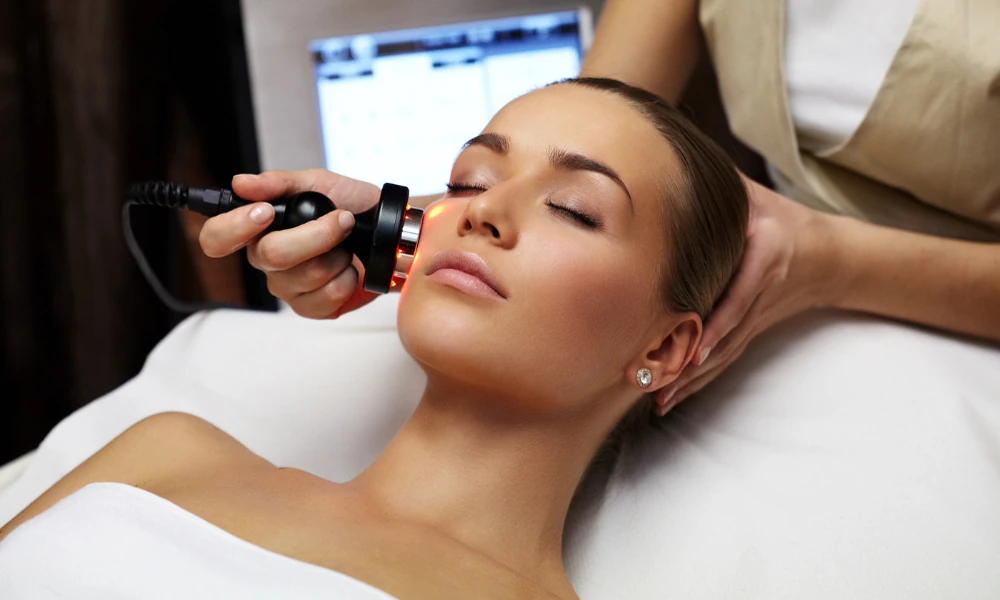
- Fat transfer with skin-tightening treatments
- Comprehensive facial rejuvenation plans tailored to weight loss patients
Dr. Siamak Agha often designs combination approaches to ensure the face looks refreshed, not overfilled or unnatural.
Who’s a Suitable Candidate?
Ideal candidates for fat transfer after Ozempic include:
- Patients with noticeable facial volume loss
- Individuals who have reached a stable weight
- Those seeking natural, long-lasting results
- Patients with sufficient donor fat available
A consultation is essential to determine whether fat transfer is the best option based on facial anatomy and goals.
Final Thoughts
Facial volume loss after weight loss does not have to be permanent or unavoidable. With the right approach, it is possible to restore a youthful, balanced appearance without compromising the results of your weight loss journey.
Fat transfer offers a powerful solution because it works with your body, not against it. By restoring lost volume in a natural way, patients can look as vibrant as they feel.
Schedule Your Consultation
If you are noticing facial changes after Ozempic and want a natural solution, schedule a consultation with Dr. Siamak Agha, a board-certified plastic surgeon at The One Plastic Surgery in Newport Beach.
A personalized treatment plan can help restore volume, improve skin quality, and bring harmony back to your appearance, all while preserving your unique features.
FAQs
Is fat transfer permanent?
A portion of the transferred fat survives long-term, making results significantly longer-lasting than fillers.
How much downtime is required?
Most patients experience a few days of downtime, with swelling improving over a couple of weeks.
Can fat transfer look natural?
Yes, when performed by an experienced surgeon, results are soft, subtle, and natural-looking.
Is fat transfer better than fillers?
It depends on the level of volume loss. Fat transfer is often better for moderate to severe cases.
When should I consider fat transfer after weight loss?
It is best to wait until your weight has stabilized before undergoing treatment.